The 17th International Conference on Gas Geochemistry (ICGG-17) was successfully held in Xi’an, a very famous ancient city in China during Sept. 11-17, 2026. ICGG is a series of academic meetings with significant international influence in the field of gas geochemistry, whose partly first official meeting was held in Paris, France in 1982, and then the 1st International Colloquium on Gas Geochemistry was held in Mons, Belgium in 1990 with aims to bring together international experts and scholars engaged in gas geochemistry and related geological and environmental researches, to share the latest scientific knowledge and technological advances, and to promote international exchange and cooperation among different countries, disciplines, universities, institutions, and industry sectors. This session is the 17th event in the series and serves as an important platform for experts and scholars working on gas geochemistry to exchange cutting-edge results and collaborate academically. Academicians from the Chinese Academy of Sciences, Prof. Guowei Zhang and Prof. Zhijun Jin, along with other relevant leaders, attended the opening ceremony in a typical Chinese style.
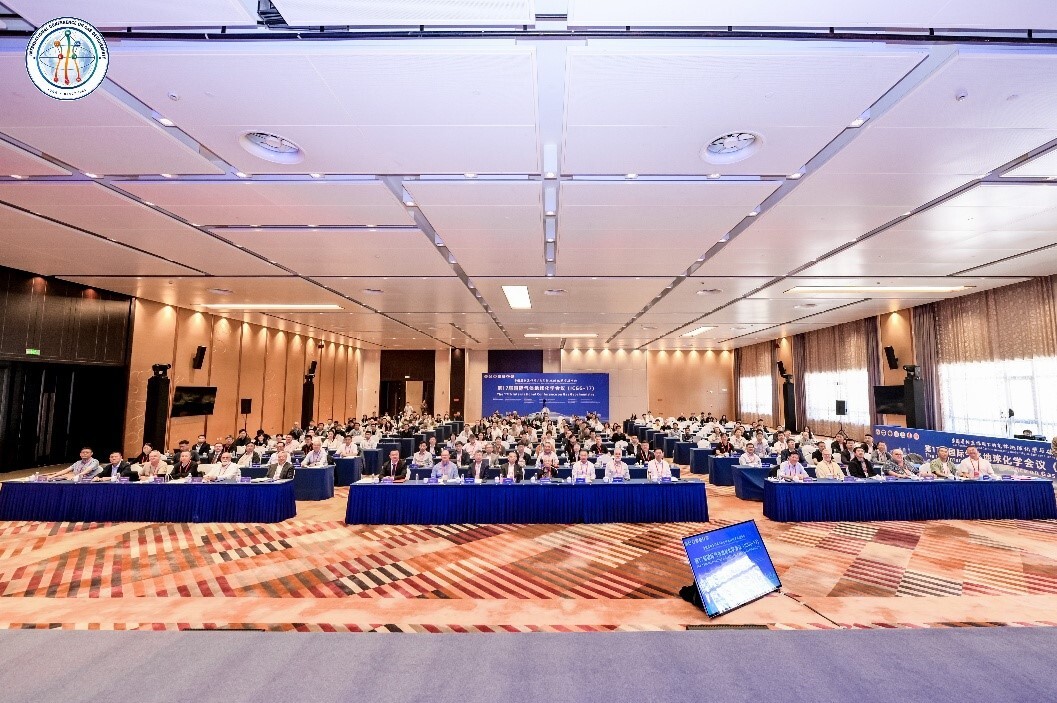
Fig. 1 Conference Venue for Opening Ceremony
This conference ICGG-17 was hosted by Institute of Energy at Peking University, Xi’an Geological Survey Center of China Geological Survey, and Chinese Society for Mineralogy, Petrology, and Geochemistry (CSMPG), with co-organizers including Shaanxi Gas Group Co., Ltd., Shanxi Zefengda New Energy Co., Ltd., and Department of Geology at Northwest University (China). It also received friendly support from Oil and Gas Research Center of Northwest Institute of Eco-Environment and Resources, CAS, Guangzhou Institute of Geochemistry, CAS, Institute of Earthquake Prediction, CEA, relevant committees of the International Association of Seismology and Physics of the Earth’s Interior, the Gas Geochemistry Professional Committee of CSMPG, the National Key Laboratory of Earth Material Circulation and Ore-Forming at Nanjing University, the School of Earth System Science at Tianjin University, and related enterprises. Over 220 representatives attended the conference, bringing together experts, scholars, and young researchers from various universities, research institutes, energy companies, and industry organizations both in China and other countries, including the UK, the USA, Canada, Japan, Turkey, Spain, Russia, and Greece, who had extensive academic exchanges with Chinese researchers, further strengthening connections and interactions between China’s gas geochemistry field and international peers.
A high-level Academic Committee and Organizing Committee has been established to ensure the academic quality and organization of the conference. CAS Academician Prof. Zhijun Jin serves as the Chairman of the Academic Committee. Academicians Pingan Peng, Fang Hao, Caineng Zou, Shuichang Zhang, and other experts in relevant fields serve as vice-chairs or members of the Academic Committee. Prof. Quanyou Liu from Peking University serves as the Chairman of the Organizing Committee, with experts and scholars such as Guodong Zheng, Jian Cao, Sheng Guo, Sheng Xu, Xiaofeng Wang, Ying Li, Yuhong Li, Yunpeng Wang, and Zhongping Li serving as vice-chairs, specifically responsible for the preparation and implementation of the conference. During the opening ceremony, Academician Zhijun Jin, Chairman Xinbin Feng of CSMPG, Director Jianxing Li of Xi’an Geological Survey Center of the China Geological Survey, and representatives of the host organizations delivered speeches. Prof. Giovanni Martinelli, convener of the International Conference on Gas Geochemistry, spoke on behalf of the International Academic Committee. The joint participation of leaders from domestic and international academic organizations and distinguished scientific experts reflects the high academic level and international scope of this conference, laying a solid foundation for the smooth progress of the meeting and in-depth exchanges in the field of gas geochemistry both domestically and internationally.
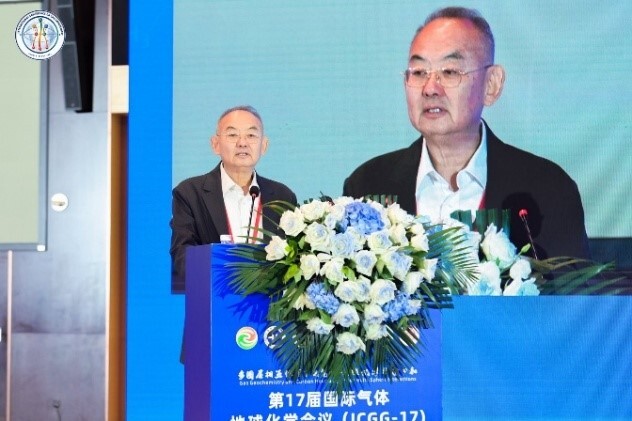
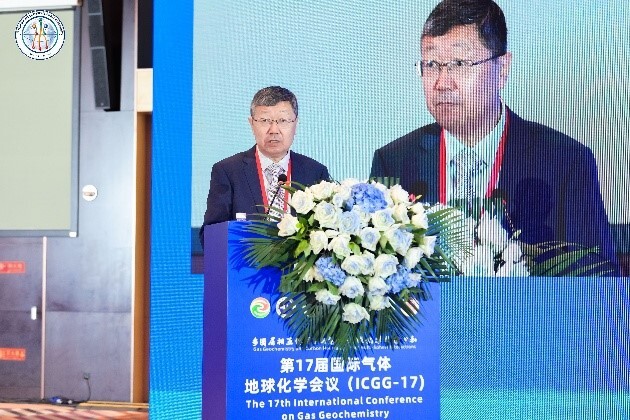
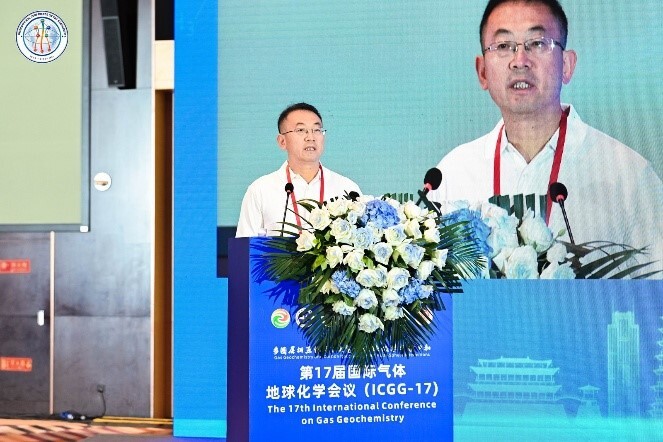
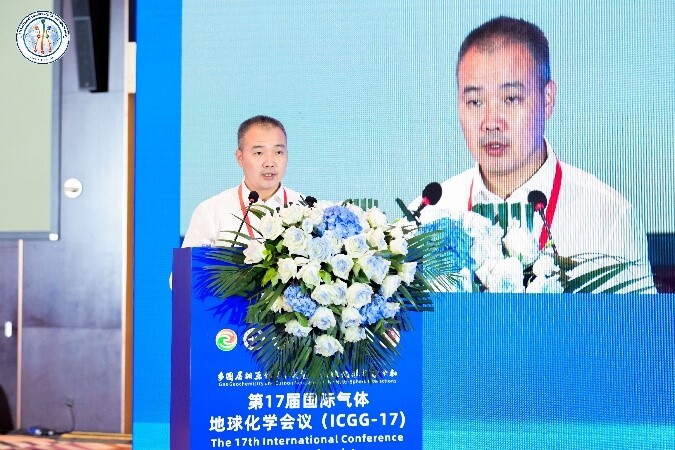
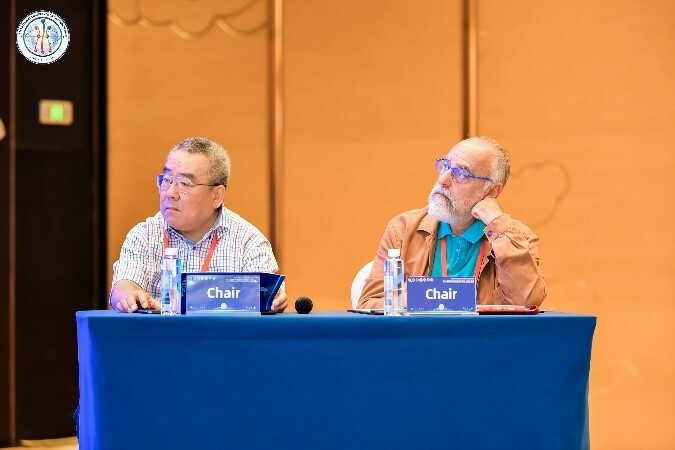
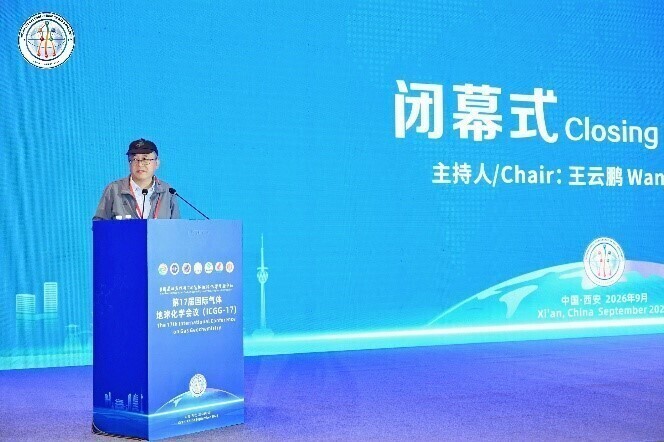
Fig. 2 Collective Photos of Opening Ceremony, Speeches, Chairs, and Closing Ceremony
The them of this conference is "Gas Geochemistry and Carbon Neutrality under Multi-Sphere Interactions," focusing closely on the frontiers of gas geochemistry as well as energy transition, carbon neutrality, and the demand for key strategic resources. The meeting includes sessions on gas geochemistry in volcanic-earthquake-tectonic systems, hydrocarbon gas geochemistry in sedimentary basins, gas geochemistry under multi-sphere interactions, CCUS (carbon capture, utilization, and storage) gas geochemistry, helium and natural hydrogen resources in different geological settings, and topics on environmental health, experimental analysis techniques, and industrial gas applications. Looking at the presentations, the research areas cover traditional strengths like natural gas generation and accumulation, deep fluid activity, volcanic and seismic gas geochemistry, noble gases, and stable isotope tracing. At the same time, it highlights emerging directions such as natural hydrogen, helium, CCUS, deep carbon cycling, microbial methane cycling, deep-sea gas geochemistry, and extraterrestrial volatile detection. This reflects how gas geochemistry research is expanding from traditional oil and gas resource evaluation to deeper Earth processes, multi-sphere material cycling, new energy resources, and global environmental issues.
The conference featured a combination of keynote lectures, special topic reports, branch reports, poster presentations, and on-site discussions for academic exchange. Renowned experts from China and abroad were invited to give special talks on cutting-edge topics such as the formation of helium resources in South Africa, geological sources of natural hydrogen, trace metals in minerals and methane cycles, in situ detection of lunar polar volatiles, formation and enrichment of helium resources in China, rare gas anomalies in earthquake groundwater in Japan, formation and enrichment of natural hydrogen in the Sichuan Basin, deep fluids and volcanic degassing, mud volcano gas release, and geochemical monitoring of CO2 underground storage. During the conference, the participating experts held in-depth discussions on topics including the origin and formation of gases, migration of deep volatiles, mechanisms of helium and natural hydrogen formation, safety monitoring of CO2 geological storage, gas responses to earthquakes and volcanic activity, and high-precision isotope analysis techniques. Six specialized sub-forums further provided ample opportunities for scholars in different research fields to communicate, promoting cross-disciplinary integration among geology, geochemistry, geophysics, energy science, environmental science, and analytical testing technologies. In-door Academic exchanges were held during Sept. 12 to 14, and after-conference geological travelling related to helium and oil-gas accumulation systems were organized in the Weihe Basin and the southern margin of the Ordos Basin from Sept. 15 to 17. Participants also visited Xi’an seismic monitoring station, the geothermal wells of Shaanxi Jin-Ao Energy Company, and their comprehensive thermal-helium-oil-gas utilization station.
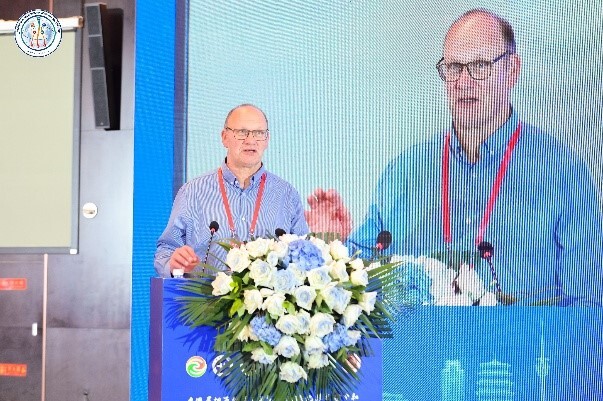
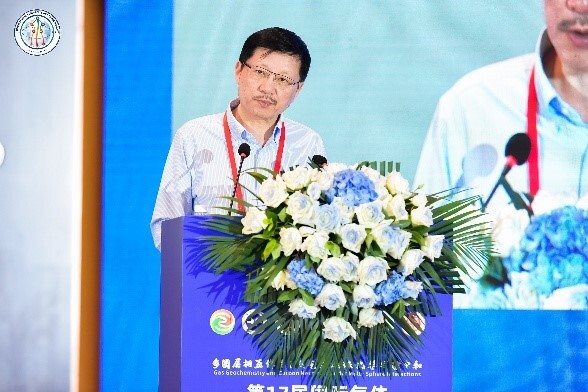
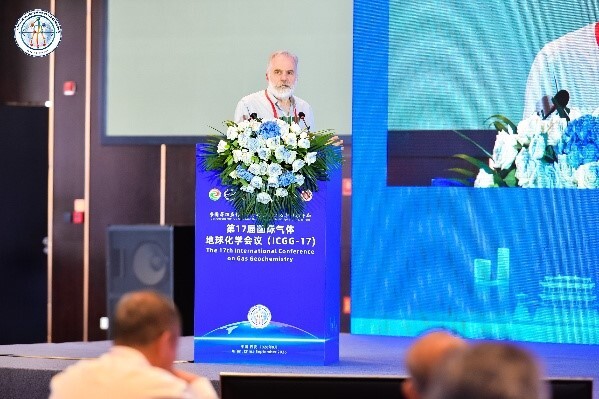
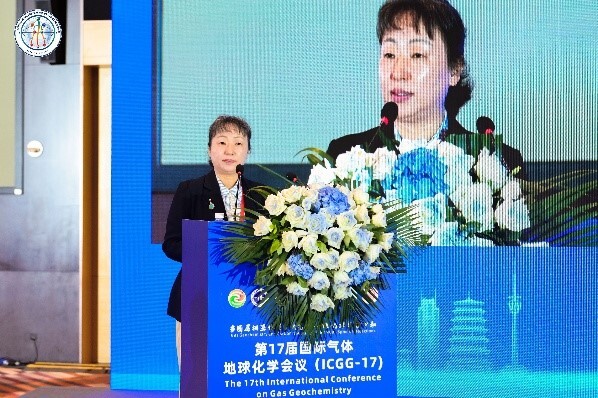
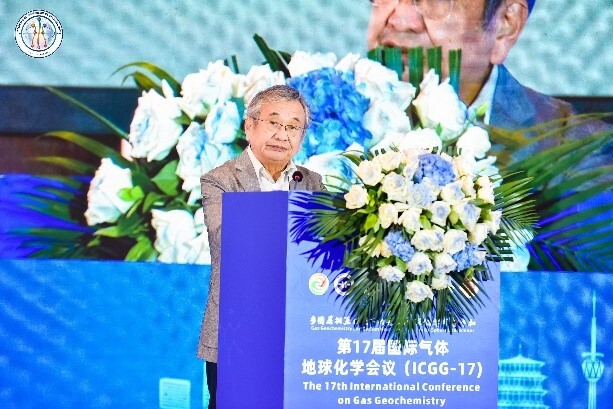
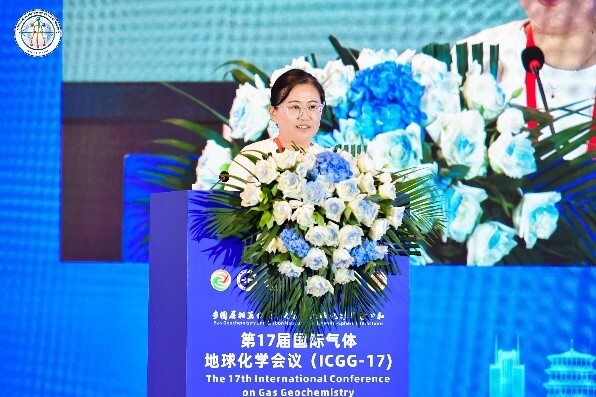
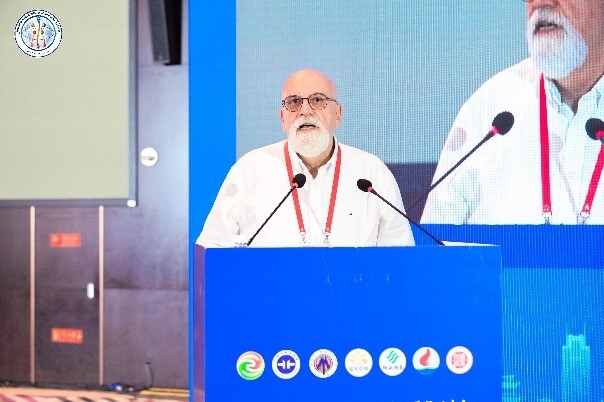
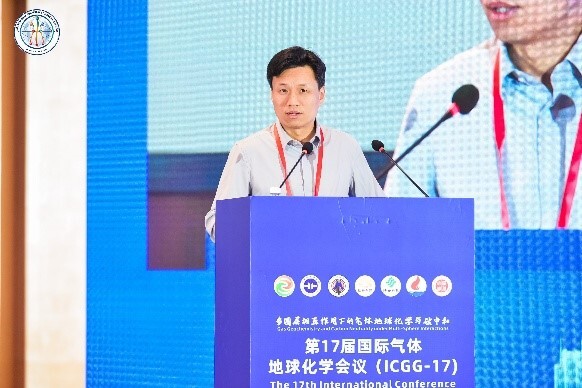
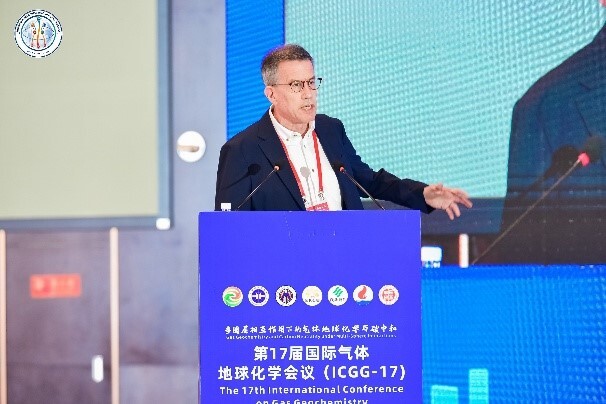
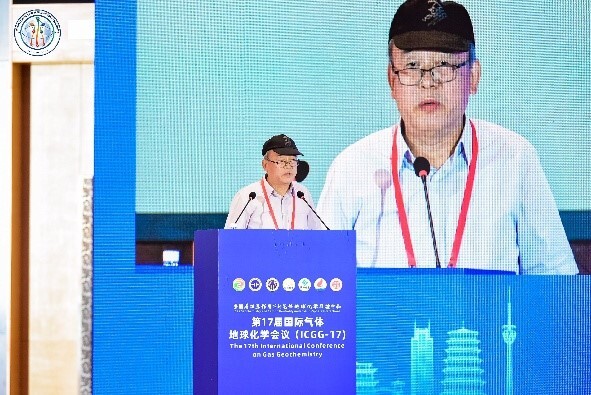
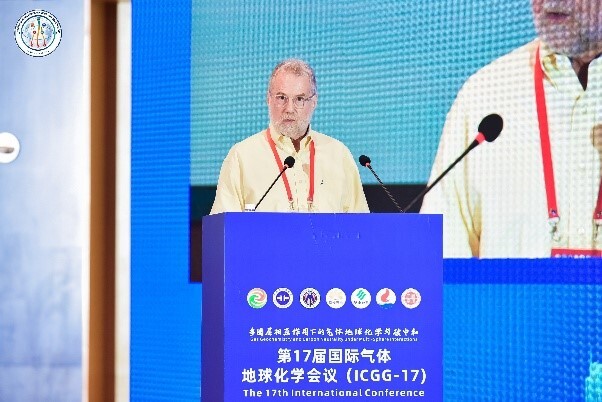
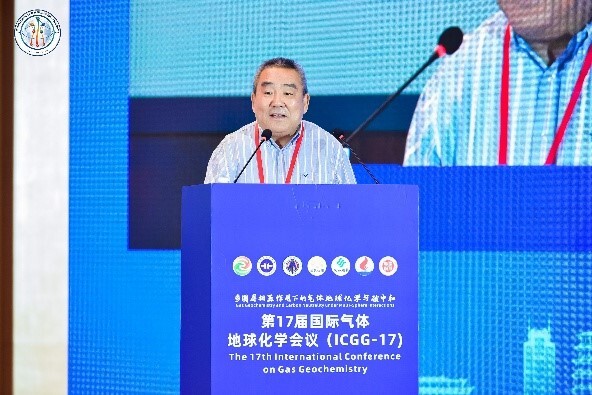
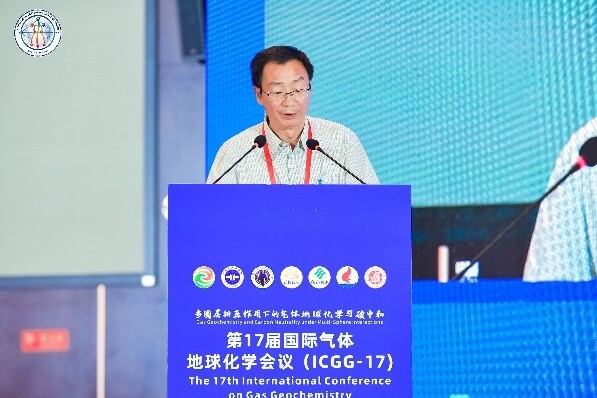
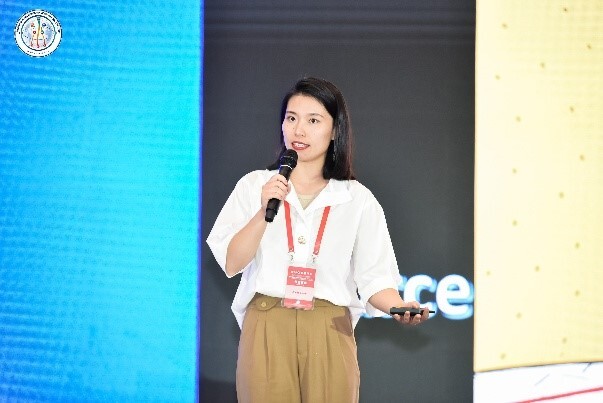
Fig. 3 Collective photos of conference speakers invited (Fin Stuart, Hailiang Dong, Geoffery Ellis, Huaiyu He, Yuji Sano,
Xiaomei Wang, Galip Yúce, Yanbin Yao, Daniele Pinti, Yunpeng Wang, Michael Abrams, Guodong Zheng,
Nemesio Peruz, Chelnokov George, Dongya Zhu, Anren Cheng)
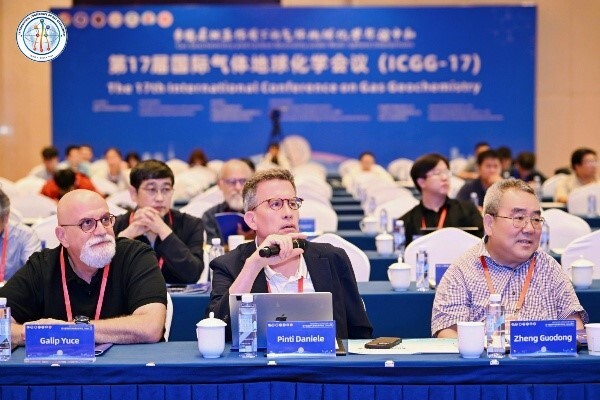
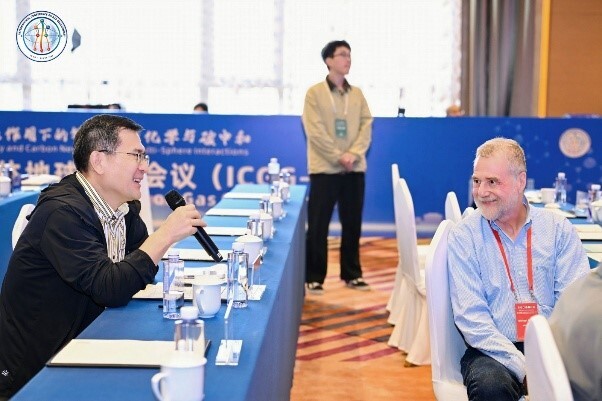
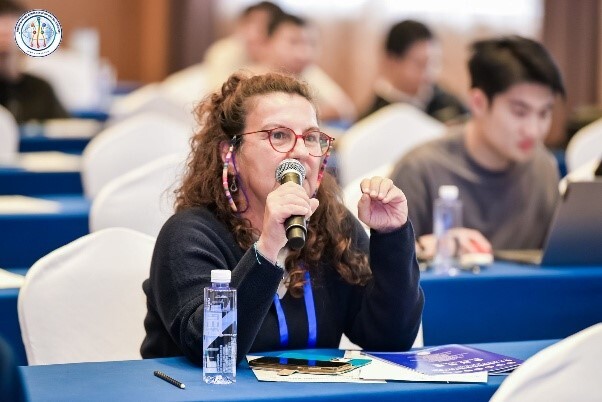
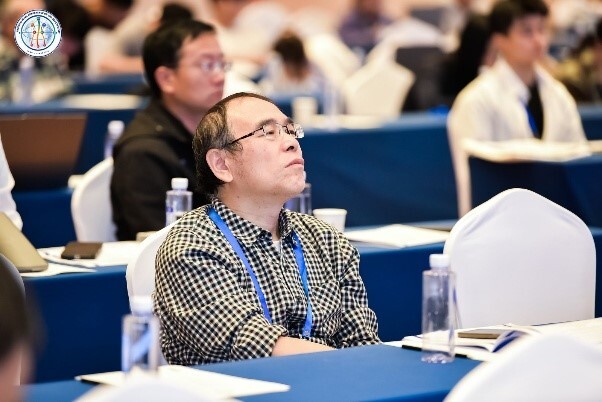
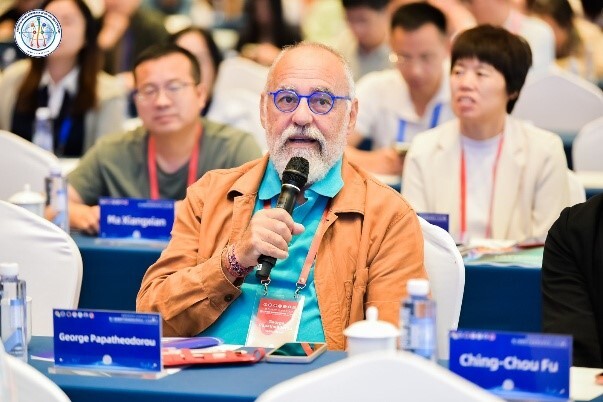
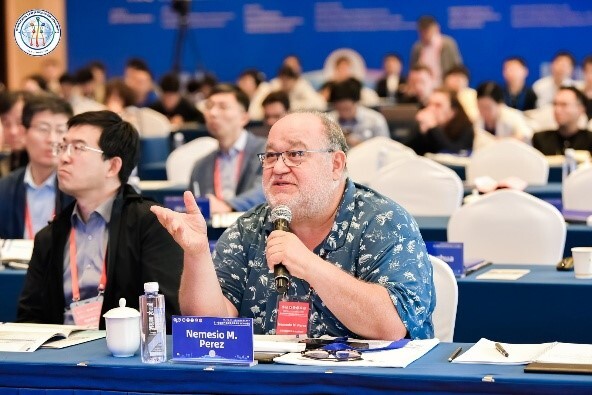
Fig. 4 Asking questions and discussion with reporters in conference
The conference of ICGG-17 placed special emphasis on the participation and cultivation of young scientists and graduate students. A group of young researchers and graduate students actively engaged in academic exchanges through keynote reports, poster presentations, questions during sessions, and informal discussions, having face-to-face interactions with renowned domestic and international experts on research ideas, experimental techniques, data interpretation, and the development direction of the discipline. The broad participation of young scholars not only enhanced the academic vitality of the conference but also demonstrated a strong talent pipeline and development potential in the field of gas geochemistry. Emerging research directions, especially natural hydrogen and helium resources, deep carbon cycling, CCUS monitoring, and multi-sphere interactions, have attracted widespread attention from young researchers, reflecting that gas geochemistry is increasingly integrating with energy transition, carbon neutrality, deep Earth exploration, and Earth system science, opening new avenues for future disciplinary development.
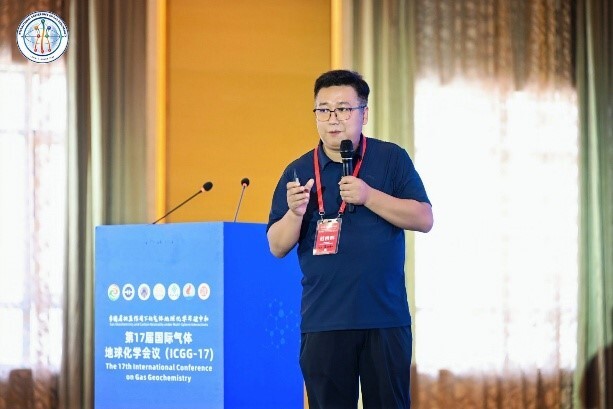
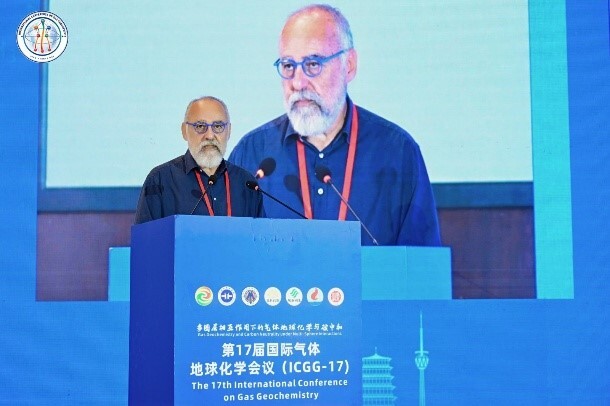
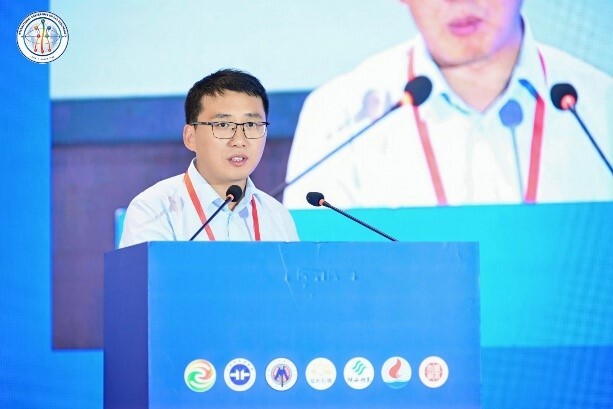
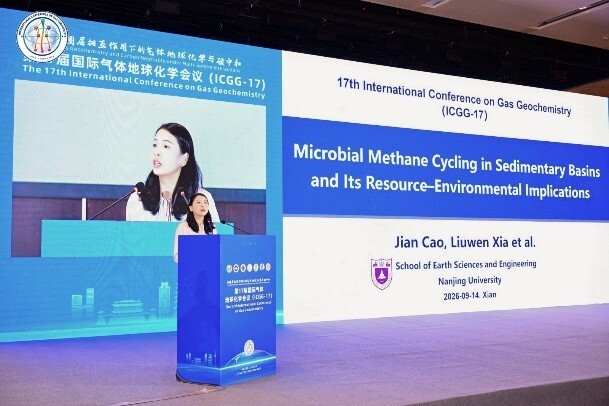
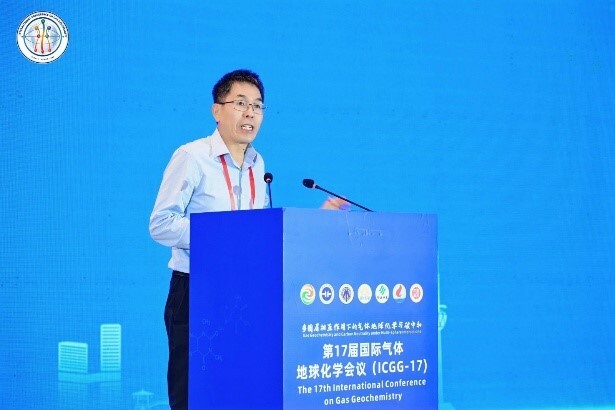
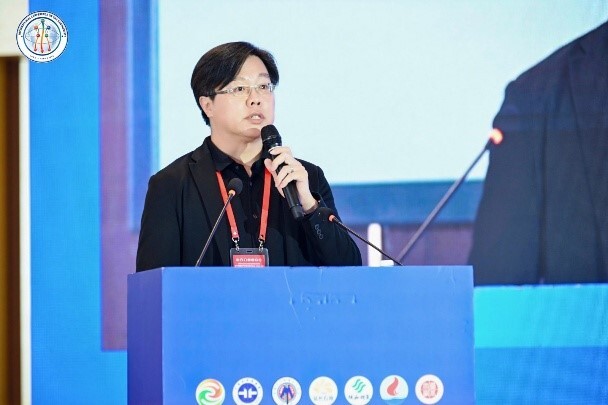
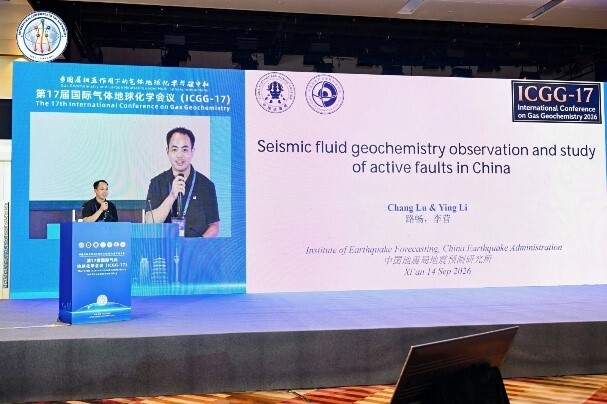
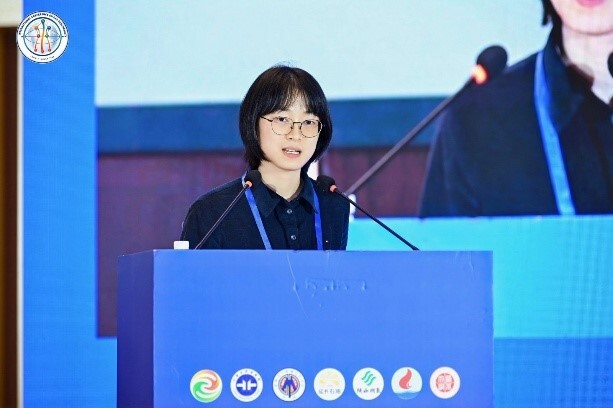
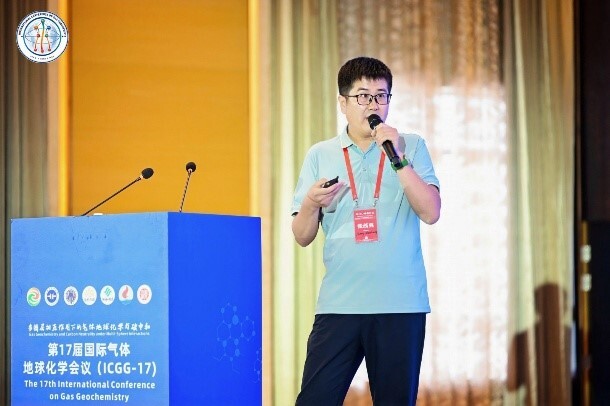
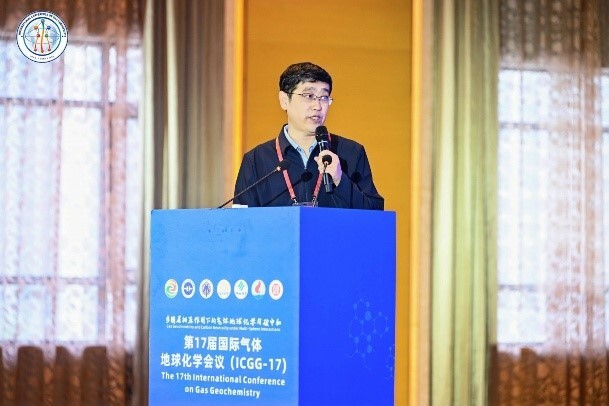
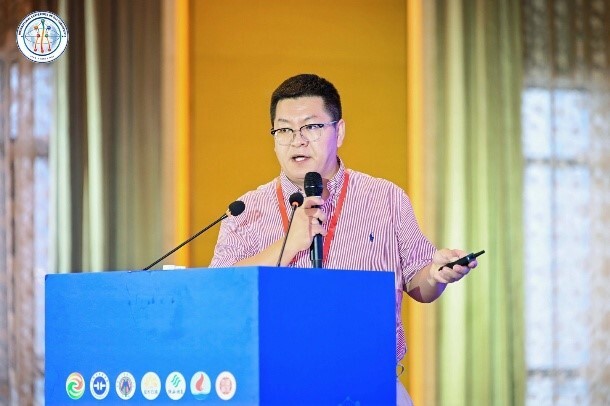
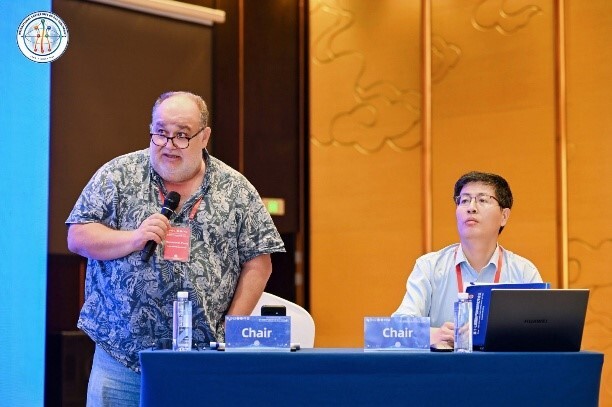
Fig. 5 Collective photos of distinguished speakers in middle-young age (Qiaohui Fan, George Paptheodorou, Qingyong Luo, Liuwen Xia, Keyu Liu, Ching-Chou Fu, Chang Lu, Biying Chen, Maoliang Zhang, Yuhong Li, Renbiao Tao, and chairs Nemesio Perez and Zhongping Li)
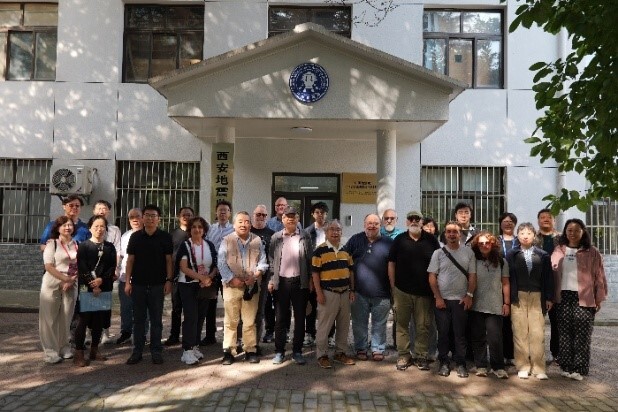
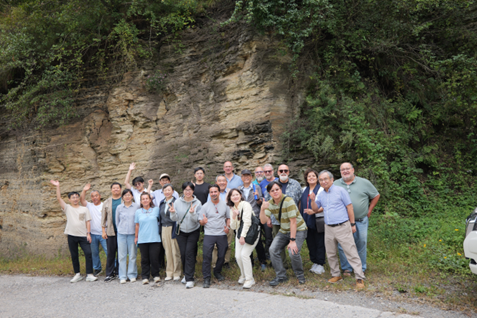
Fig. 6. Photos of after-conference field trips. Left-visiting Xi’an Seismic Observatory Station; Right-on-site observation on the oil-shale profile of Triassic Chang-7 formation (by Jiyuan Li)
During the conference, the Executive Council of the International Gas Geochemistry Conference also held a working meeting in a combination of online and offline formats. The council members discussed the continuous development of the series of activities of the International Gas Geochemistry Conference, focusing on the organization and publication of the current conference proceedings, the recruitment and development of young and female members, the design of the society logo, the cultivation of talent within international academic organizations, and arrangements for hosting future international conferences. Through this working meeting, communication and collaboration within the international gas geochemistry academic community were further strengthened, laying a foundation for expanding the participation of young and mid-career scientists and enhancing the continuity and international influence of the conference series.
At the closing ceremony of ICGG-17, Prof. George Papatheodorou, the Greek representative, gave a promotional introduction regarding the preliminary concept, venue, and related scientific and geological background of the next conference (ICGG-18), and extended an invitation to the international geochemical community to participate. During this conference, the Greek representatives engaged in detailed exchanges on issues such as the submarine mud volcanoes in the Gulf of Patras in western Greece and shallow hydrothermal activities in the Aegean Sea, highlighting the region's rich research potential in marine gas geochemistry, tectonic-fluid interactions, and hydrothermal activities, thereby laying the foundation for field investigations at the next conference.
Overall, the successful convening of ICGG-17 systematically showcased important theoretical insights, technological advances, and application achievements in the field of international gas geochemistry in recent years. It further deepened communication and collaboration among domestic and international peers in areas such as natural gas, helium, natural hydrogen, CO₂, rare gases, and deep fluids. The conference indicates that future gas geochemistry will further expand toward directions including multi-sphere material cycles, deep Earth processes, strategic emerging energy resources, CCUS (carbon capture, utilization, and storage), geological hazards and environmental response, as well as high-precision in-situ and continuous monitoring technologies. The active participation of young scientists and graduate students, along with the International Gas Geochemistry Conference Council's cultivation of young members and ongoing planning for subsequent conference series, further demonstrates the strong developmental vitality of the discipline and its prospects for international cooperation. The successful hosting of the conference is of positive significance for strengthening China's gas geochemistry research and its connection with international frontiers, promoting international collaboration, fostering the growth of young talent, and enhancing China's academic influence in the field of international gas geochemistry. (Contributed by: Tao Luo, Yunpeng Zhang, Jiyuan Li; Reviewed by: Yuhong Li, Guodong Zheng)